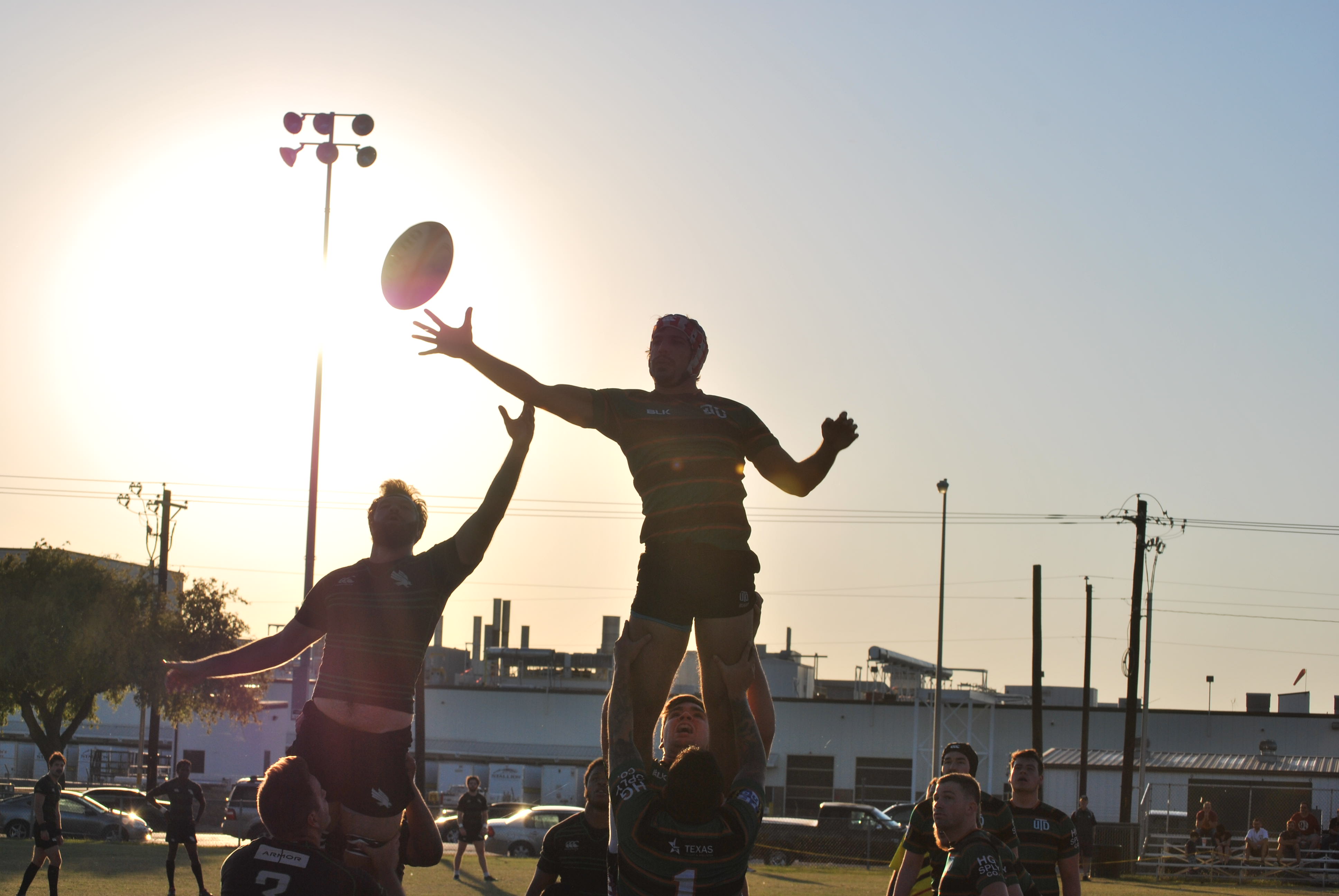
In rugby, few positions encapsulate the essence of the sport quite like the flanker. Positioned on the edges of the scrum, these players are the embodiment of grit and determination on the field. This post will delve into the world of the flanker position, exploring its role, responsibilities, and enduring legacy in the game.
- The Role: Flankers, also known as loose forwards, occupy the numbers 6 (blindside) and 7 (openside) jerseys, flanking the scrum and lineouts. Their primary objective? Disrupt, dominate, and dictate the flow of play. From snuffing out opposition attacks to securing turnovers and providing crucial support to the forwards, flankers are the linchpins of defensive resilience and attacking momentum.
- Responsibilities:
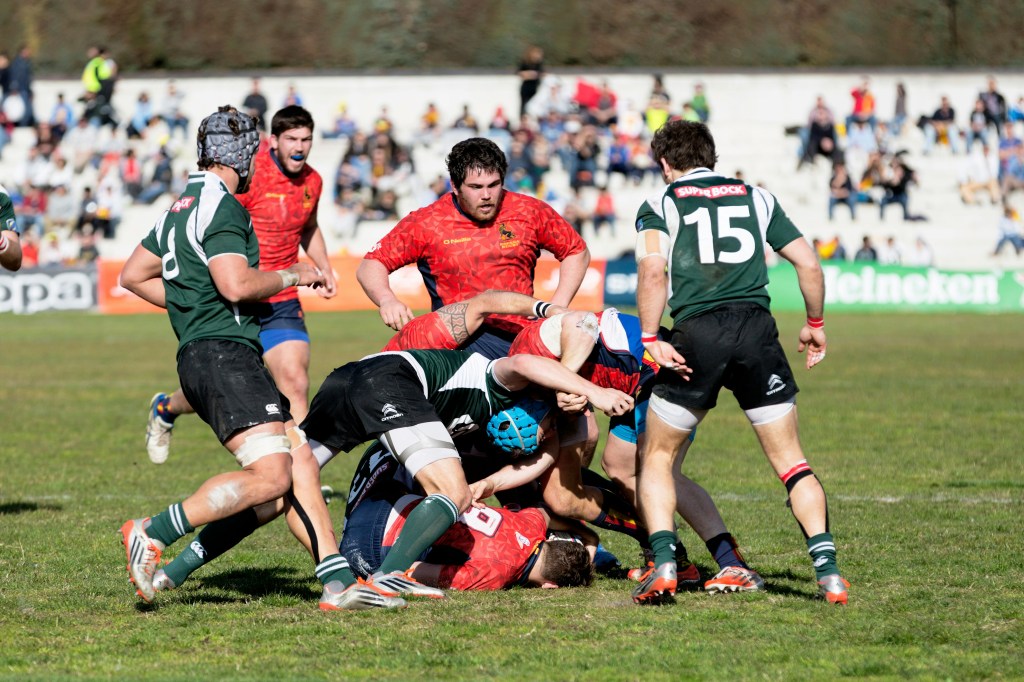
- Breakdown Mastery: At the heart of the flanker’s domain lies the breakdown—an arena of chaos and contention where possession is won and lost. Flankers excel in securing turnovers, pilfering opposition ball, and disrupting the rhythm of the opposing team.
- Defensive Enforcer: Relentless pursuit of the ball carrier, flankers are the defensive stalwarts
- Support Play: Beyond their defensive duties, flankers are adept at providing crucial support to their teammates. From clearing out rucks to offering options in attack, their presence is felt in every phase of the game.
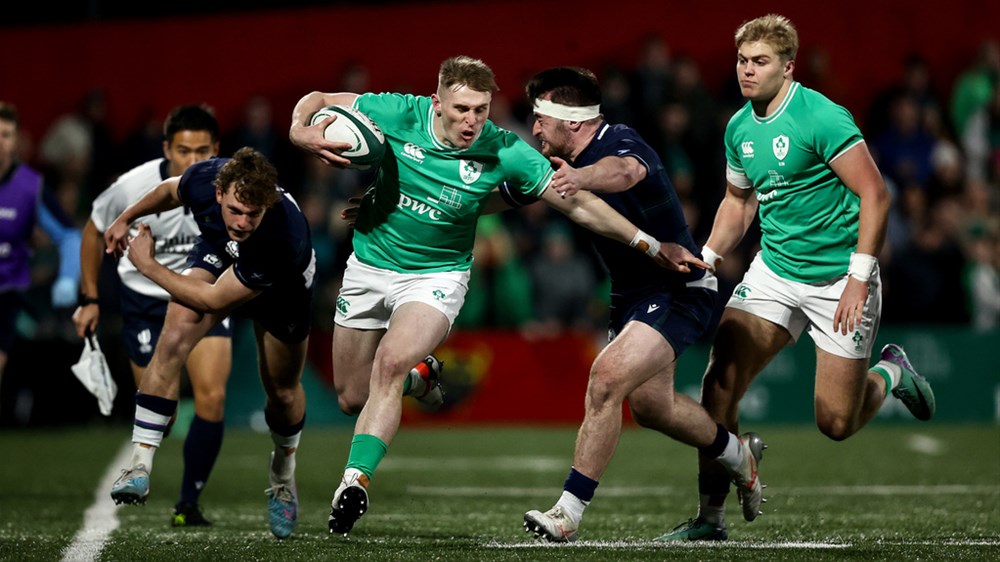
- Ball Carrying: While known primarily for their defensive prowess, flankers are also formidable ball carriers, capable of breaching enemy lines, breaking tackles, and explosive speed carrying the ball.
- Attributes:
- Speed and Agility: Flankers possess the agility of a back combined with the physicality of a forward, allowing them to cover ground swiftly, evade defenders, and chase down ball carriers with relentless determination.
- Physicality and Strength: Renowned for their ferocity in contact, flankers thrive in the physical battles of the breakdown, using their strength and technique to out muscle opponents and assert dominance in tight spaces.
- Tactical Awareness: Beyond their raw athleticism, flankers are astute tacticians, constantly reading the ebb and flow of the game, anticipating plays, and positioning themselves strategically to exploit weaknesses in the opposition’s defense.
In a sport where courage and aggression are necessary traits the flanker stands as a testament to those ideals.


 Dallas Rugby Review
Leave a comment